

average time to fill for staff roles
<
0
weeks
still in position at 90 days
0
%
healthcare placements and counting
0
+
You own the numbers that matter most in primary care, panel capacity and provider productivity, and both slide when a provider seat sits open for months. Your access metrics tell the story before anyone says a word, as the third-next-available appointment creeps further out week by week. The physicians who stay pick up the overflow and start eyeing the exit themselves. The country is projected to be short more than 180,000 physicians by 2037, with primary care and rural areas hit hardest, and nearly half of active physicians are already 55 or older. That’s the tide you’re recruiting against.
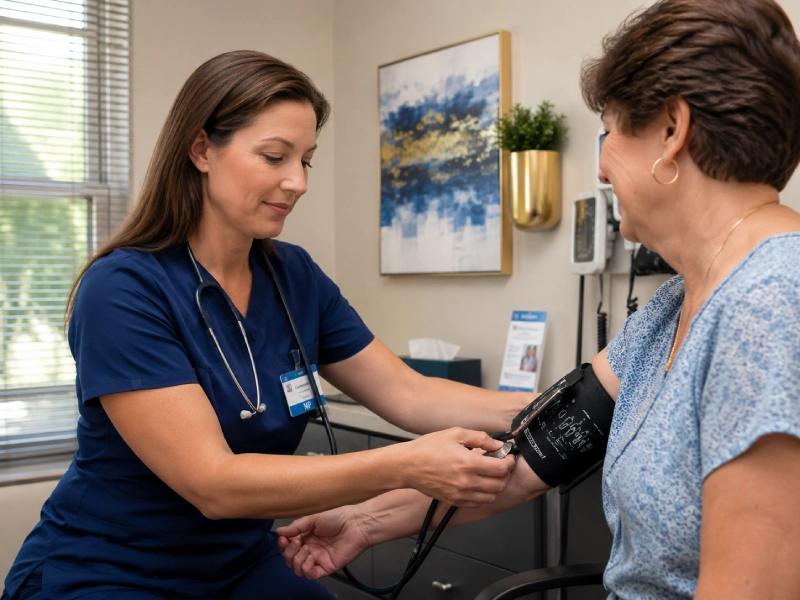
The nurse side is just as tight. Search one RN role in your city on Indeed and you’ll find thirty organizations hiring the same thing in the same market, because the nurse shortage is real and national. So when you post an experienced role, the applications that land are often new grads, right when you need someone who can carry a full panel without training up.
We recruit for primary care organizations across the country, private and nonprofit alike. On the physician side, that means family medicine, internal medicine, and pediatrics. We also place nurse practitioners and physician assistants, including the advanced practice providers who keep a stretched panel covered while a physician search runs its course. Rounding out the clinical team, we fill RN, LPN, and medical assistant roles, and we place the medical directors who oversee it all.
A pattern we see everywhere: organizations propping up the schedule with locums, temp, and contract labor, bleeding money to keep patients seen. That’s where we come in. We find the full-time, direct-hire, permanent providers and staff who’ll be there for the long haul, so you can retire the temporary spend. We work the resume databases and our internal ATS, which holds over a million candidates, to target exactly what you need, whether that’s a minimum of two years of experience or a minimum of five. Every candidate gets a thorough screen before you ever see them, and we run the interview process end to end, debriefing after each round and carrying strong candidates all the way to the finish line.
Physicians are the hardest part, and it’s where the access matters most. Most physicians don’t respond to postings. We have relationships with physicians in each specialty that most organizations can’t reach on their own, and we know the levers that close a provider for an underserved or health-center site, from NHSC loan repayment to J-1 waiver and H-1B eligibility. That access is a big reason we fill primary care physician roles when others stall.
What we recruit for primary care
Family Medicine, Internal Medicine, and Pediatric Physicians.
Nurse Practitioners and Physician Assistants.
Registered Nurses and Licensed Practical Nurses.
Medical Assistants.
Medical Directors.
Primary Care FAQs
Why is primary care recruiting so difficult right now?
Demand outruns supply across health systems, private practices, community health, urgent care, and telehealth all at once. Physicians, NPs, and PAs have their pick of settings, and they’re selective about workload, schedule, and comp. The strongest candidates usually aren’t looking, which means job postings alone won’t surface them.
We keep getting flooded with new-grad applications. Can you help?
Yes, and it’s one of the most common problems we solve. When you post an experienced-provider role, new grads apply because they can. We recruit against a specific bar, whether that’s two years or five, screen every candidate to it, and only bring you people who clear it. You stop sifting and start interviewing.
Can a recruiter help us stop spending on locums and temp coverage?
That’s exactly the gap we close. Locums and contract labor keep patients seen and quietly drain the budget. We find the full-time, direct-hire providers and staff who’ll stay, so you can move off temporary coverage instead of renewing it every few months.
How do you reach physicians who never apply to postings?
Through relationships built over years in each specialty. Most physicians don’t respond to a job ad, but they’ll take a call from someone who knows their world and brings the right opportunity. That access is why we fill physician roles other approaches can’t.